NAKAYAMANAKAYAMA

CATALOG CONTACT

BEAUTIFUL CUTLINE

MIR CUTTING RULE

BEAUTIFUL CUTLINE

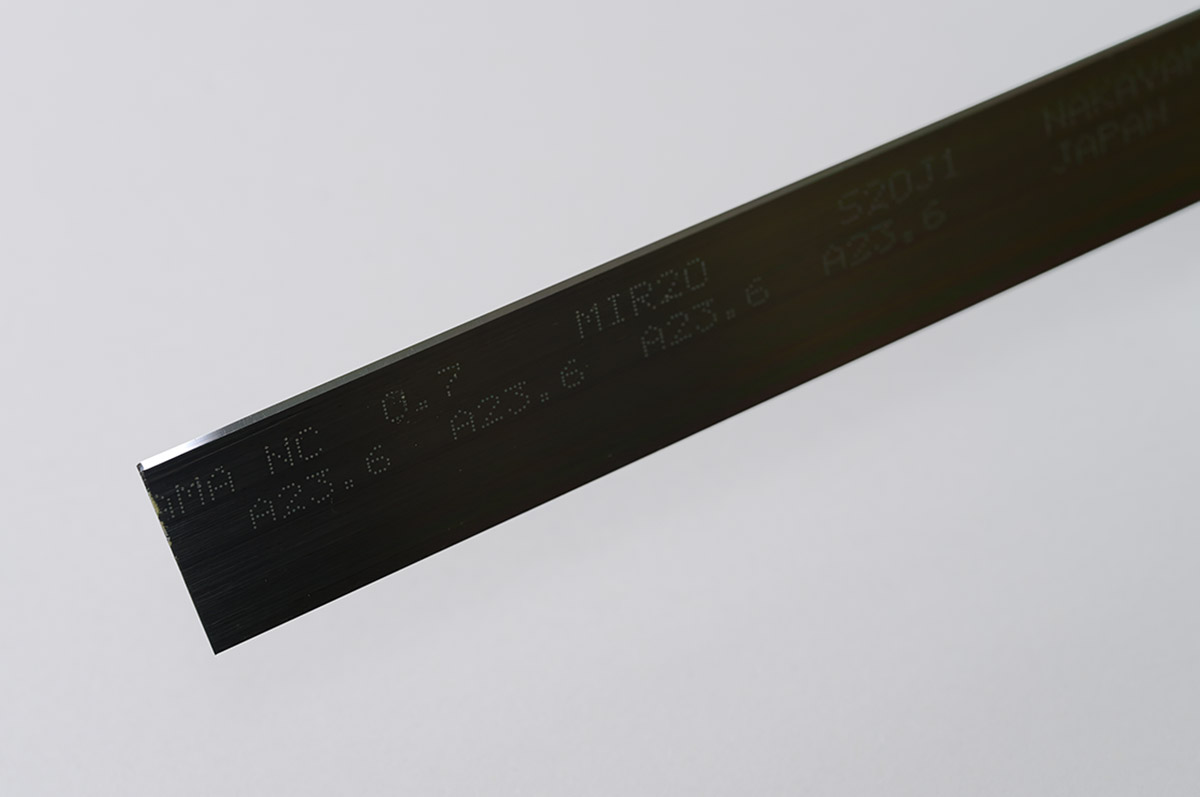
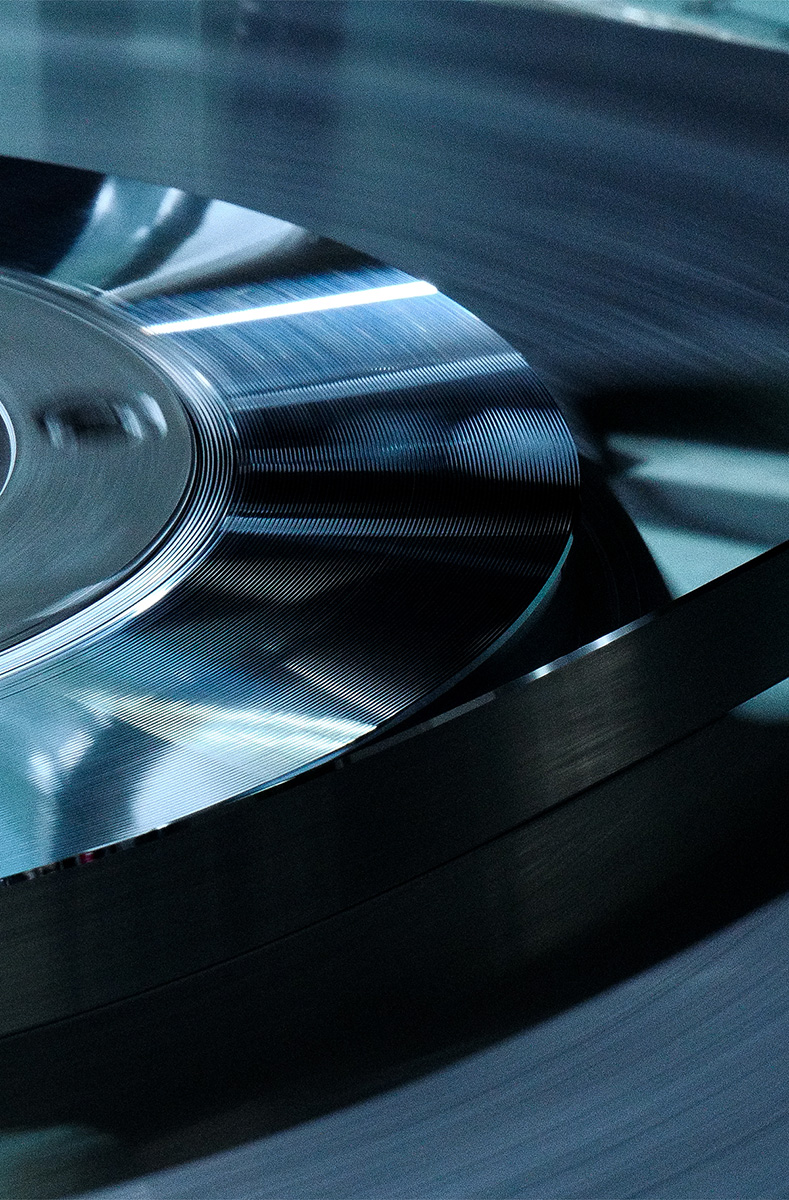
Nakayama MIR are ultimate CUTTING RULES, used to cut through all sorts of materials around the world, from films used in LCD TVs to high-added-value packaging.Over the course of approximately a century since our founding, Nakayama has engaged with CUTTING RULES, gotten to know them thoroughly, and has developed unique processing technology and know-how. It is in this context that MIR was created and continues to evolve.With unevenness of height kept to the utmost minimum and a mirror finish applied, the blade edge boasts the ultimate sharpness. These features achieve a keen and beautiful cutting surface that can be said to embody Nakayama’s history.

Smartphone

Cosmetic &
Pharma Packaging

Car

Sticker

01

“Achieved a 90% market share in polarizer die-cutting in China,
the world’s largest market.”

In the optical film and polarizer markets in Asia, particularly in China, the increasing resolution and larger size of displays have created a strong demand for processing technologies capable of punching extremely fine dimensions with high precision and stability. In addition, the quality of the cut surface has become a critical factor determining the success of mass production.

Conventional methods often faced challenges such as yield loss and quality risks caused by variations in processing and limitations in blade-edge precision. MIR blades, developed using proprietary manufacturing technology, achieve highly reproducible results with nanometer-level dimensional tolerances and produce sharp, uniform cut surfaces.

By raising the precision standards of the polarizer market in China, MIR technology provides new value as a core technology essential for next-generation display mass production, enabling both high quality and productivity.

02

“An all-purpose blade that excels in sharpness,
durability, and bending resistance.”

The greatest feature of the MIR blade is its ability to integrate sharp cutting performance, precise height accuracy, and excellent bending capability at a high level.

Its mirror-finished edge creates a sharp blade that ensures stable cutting quality while also helping to reduce punching pressure. In addition, the blade offers excellent workability during bending and die-board fabrication, improving efficiency in on-site operations.

As a result, MIR blades are highly regarded as reliable tools capable of addressing a wide range of processing challenges.

03

“A wide variety of MIR products
featuring diverse blade edge shapes and edge angles.”

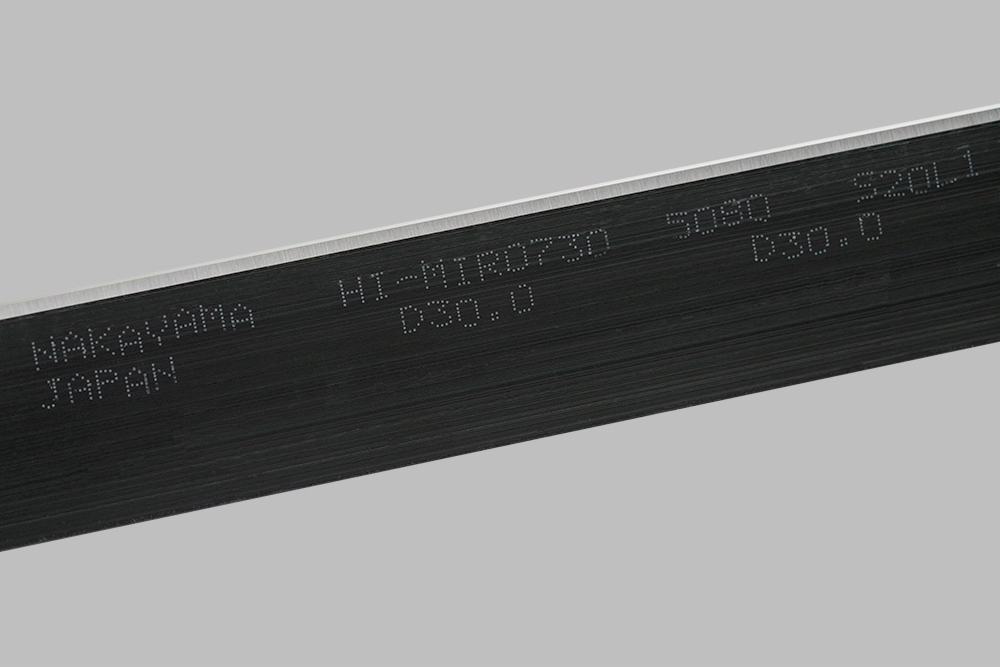
HI-MIR

The HI-MIR series features a higher blade height compared to conventional die-cutting blade materials. Blade heights from 30.0h to 60.0h are available, making it suitable for processing under special conditions such as punching sponge materials and laminated materials. With its mirror-finished edge, HI-MIR delivers sharp cutting performance, stable punching pressure, and clean cutting surfaces, making it a highly functional blade material for demanding applications.

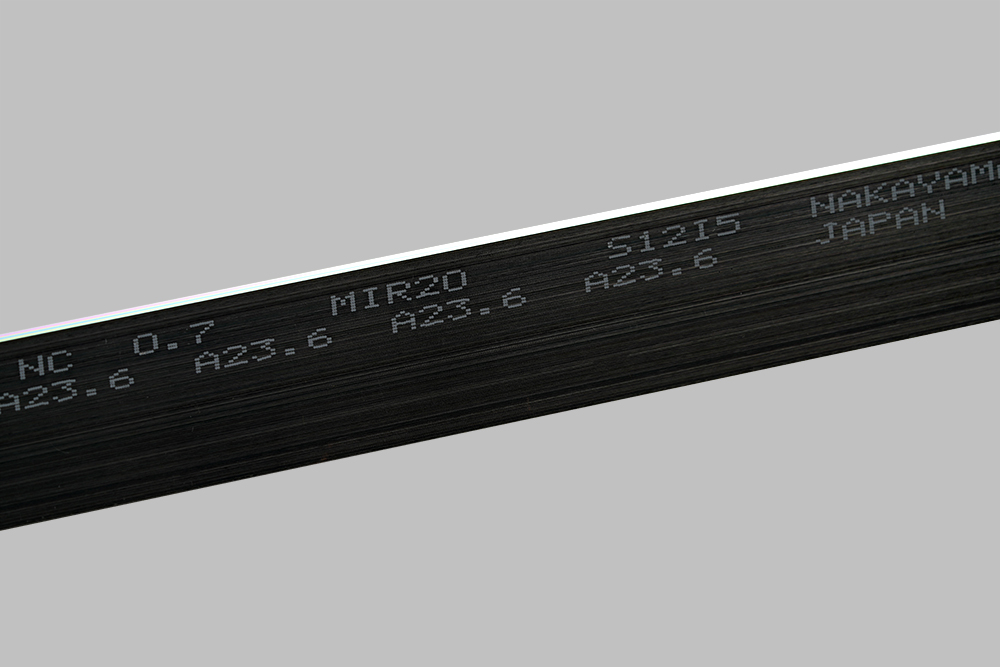
MIR20

MIR20 is the standard mirror-finished die-cutting blade representing Nakayama’s MIR series. The blade is uniformly polished all the way to the cutting edge, providing low punching pressure and stable cutting performance. It is compatible with a wide range of materials including paper, film, and resin, offering excellent versatility and ease of use.

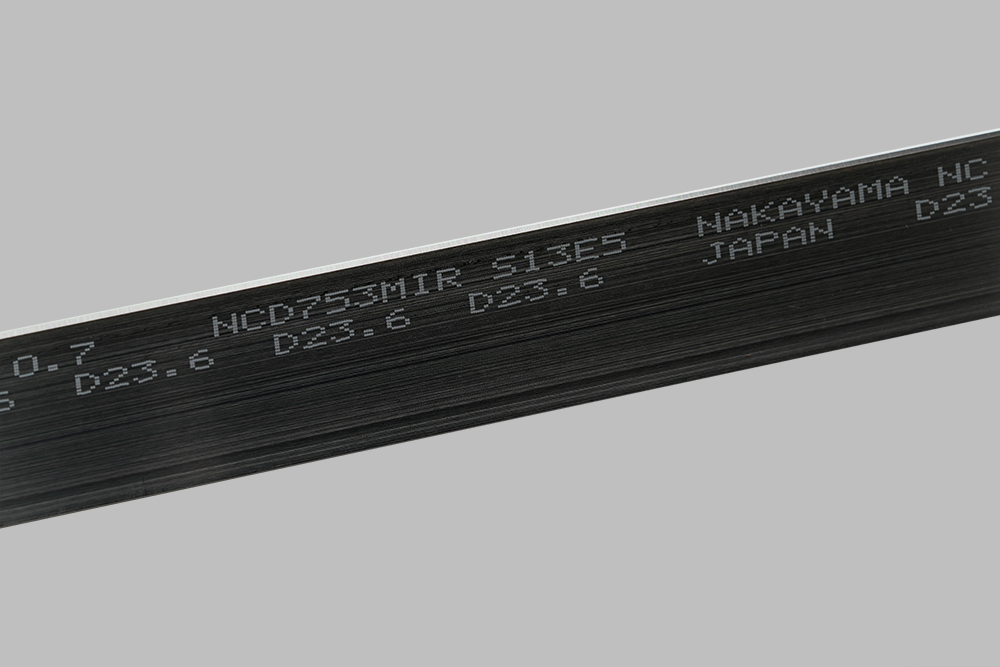
NCD753-MIR

NCD753-MIR features a 53° obtuse blade angle, providing greater edge strength compared to conventional 42°–43° blade angles. The edge resists deformation and helps reduce paper dust generation, making it ideal for processing paperboard and corrugated materials. Combined with MIR mirror finishing, it reduces punching pressure while ensuring stable die-cutting and clean cutting surfaces.

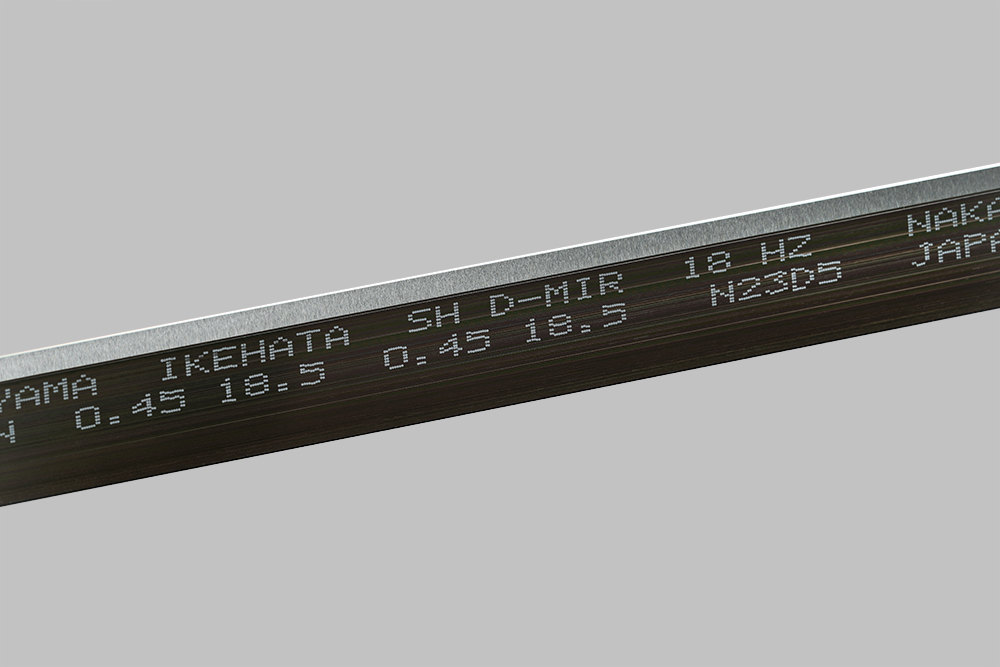
SHD-MIR

SHD-MIR is a high-precision die-cutting blade designed with a special dimension of 0.45 × 18.5 mm. It offers exceptional edge accuracy and performs particularly well in straight-line cutting applications. The MIR mirror finish produces extremely clean cutting surfaces, making it ideal for applications where finishing quality is critical. However, it is not suitable for bending processes, so proper application selection is recommended.

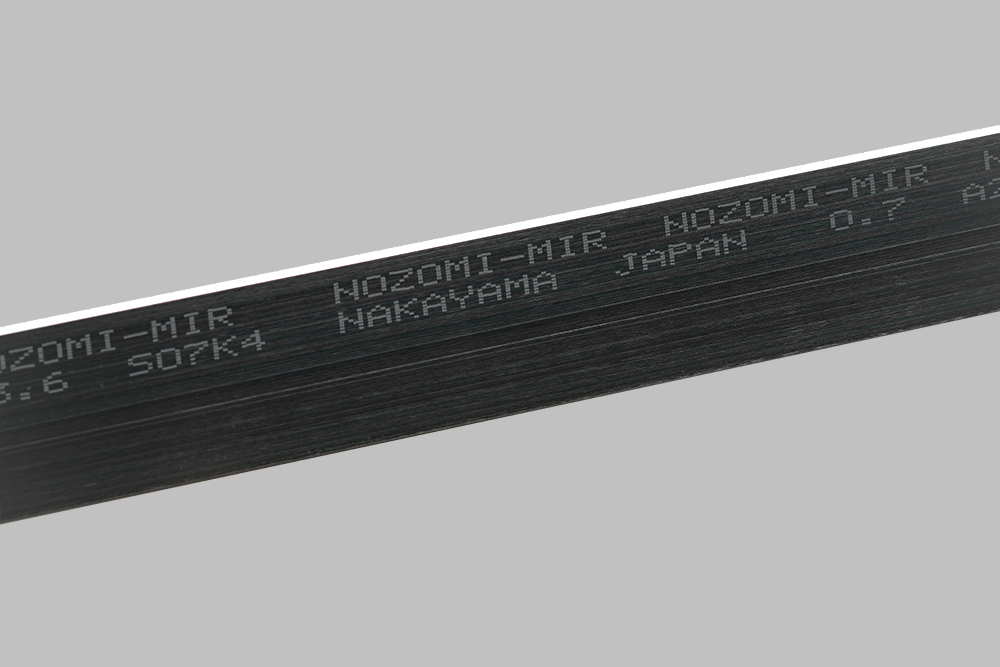
NOZOMI-MIR

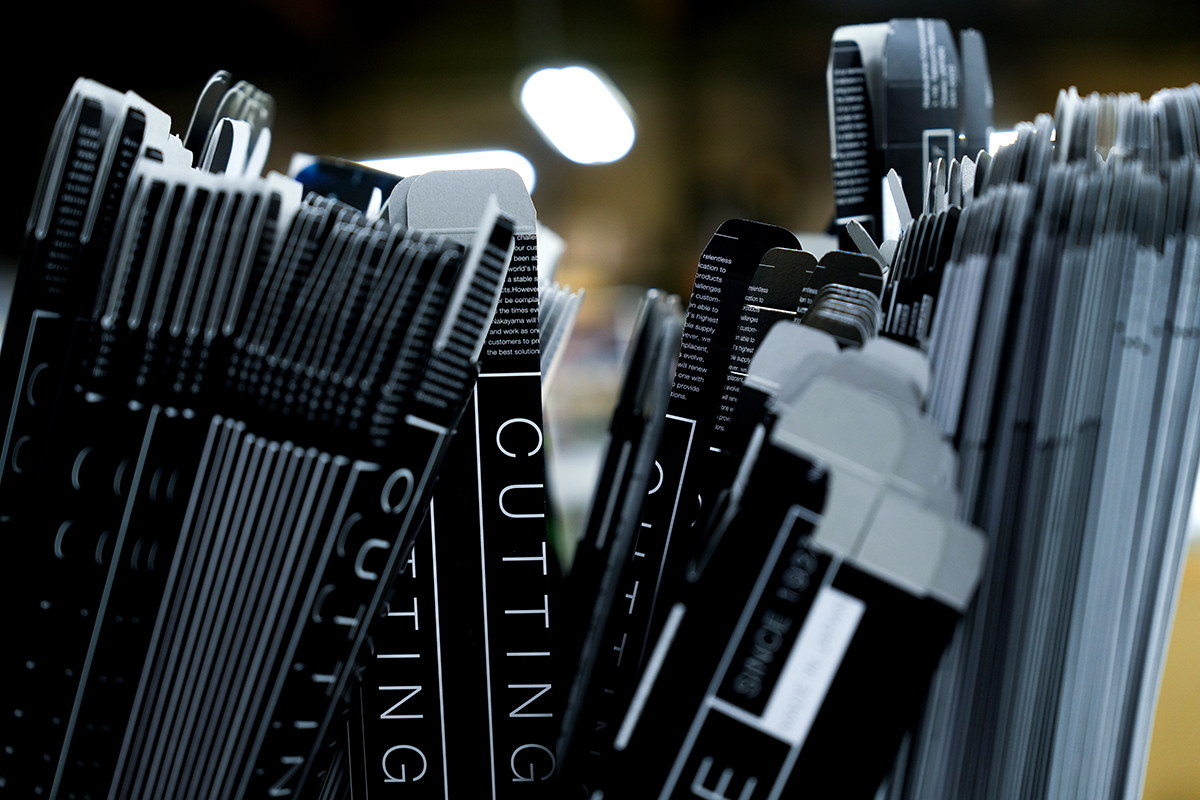
NOZOMI-MIR is a high-quality die-cutting blade featuring micronic nick processing. The extremely fine nick processing minimizes visible marks, resulting in very clean and aesthetically pleasing joint areas. Combined with MIR mirror finishing, it provides stable cutting performance while improving product quality and operational efficiency. It is widely used in paper products, premium corrugated packaging, and label applications.

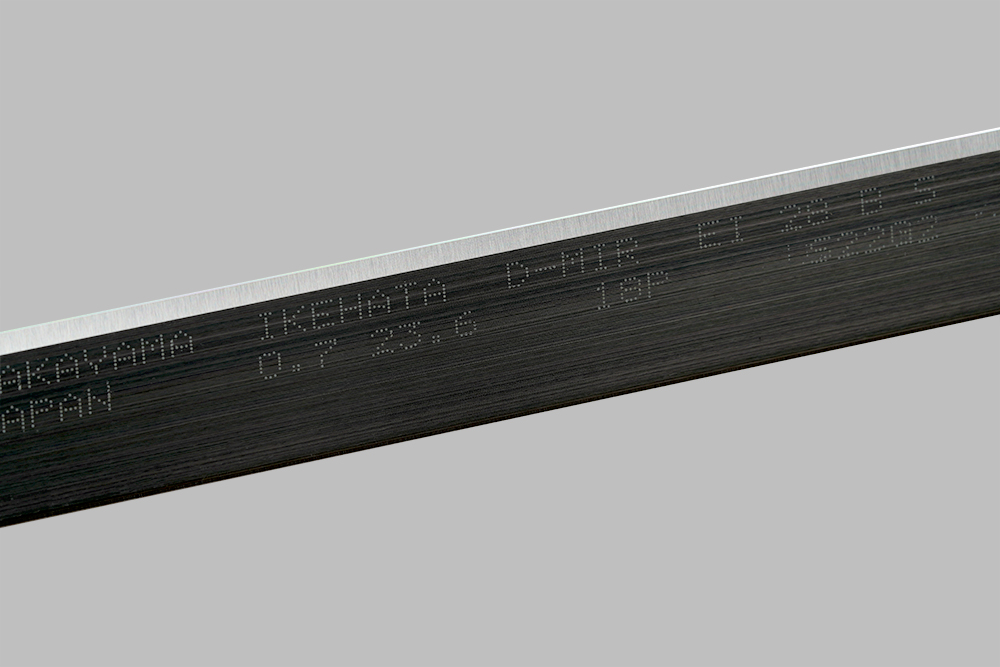
STD07-MIR 18P

STD07-MIR 18P is a high-precision blade designed with an emphasis on extremely sharp blade angles. While typical sharp blades use a 30° blade angle, this model reduces the angle to 28°, achieving superior sharpness and lower punching pressure. Its two-stage blade design improves edge stability, making it ideal for processing fine shapes and high dimensional accuracy requirements, especially with film-based materials.

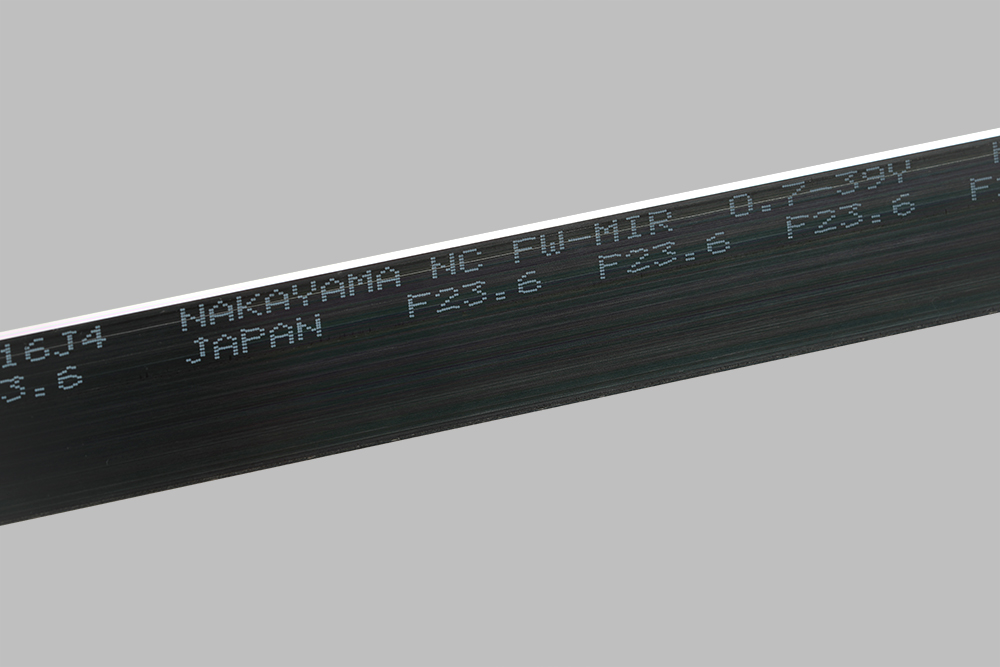
NCF07-W-MIR

NCF07-W-MIR is a high-precision die-cutting blade with a single two-stage blade structure. The “W” designation indicates that both the first and second blade stages receive MIR mirror finishing, enabling stable cutting performance across the entire blade edge. It reduces cutting resistance while producing precise and clean cutting surfaces, making it widely used in film and electronic component processing applications.

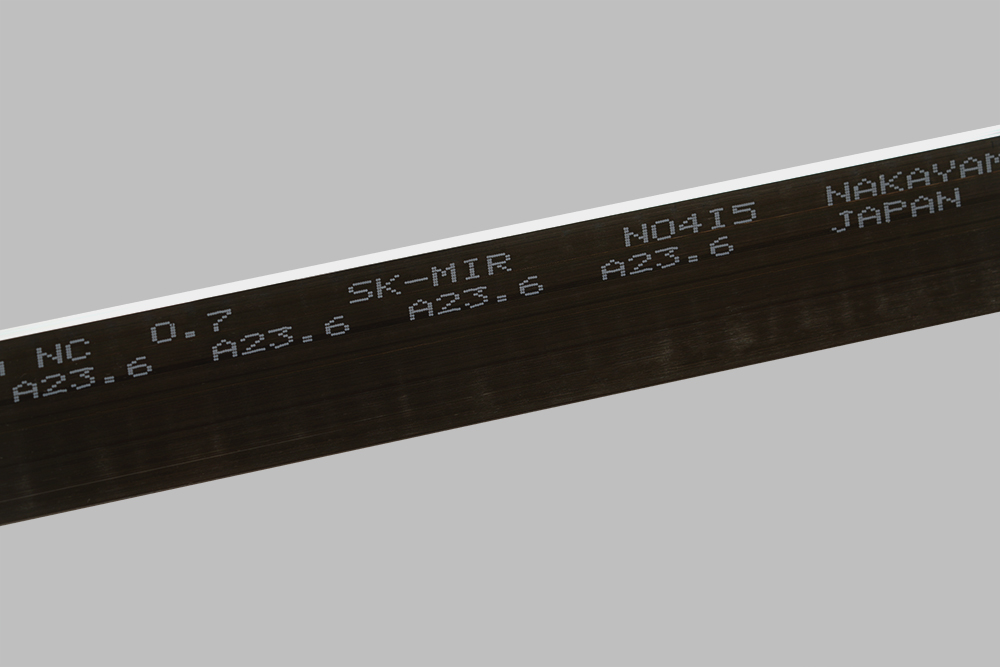
SK-MIR

SK-MIR uses high-hardness SK steel instead of the conventional S50C steel typically used in die-cutting blades. This provides excellent wear resistance and durability, maintaining stable cutting performance over extended periods. With specialized heat treatment technology, bending-compatible versions are also available. It supports a wide range of materials including paper, rubber gaskets, sponge, and resin.

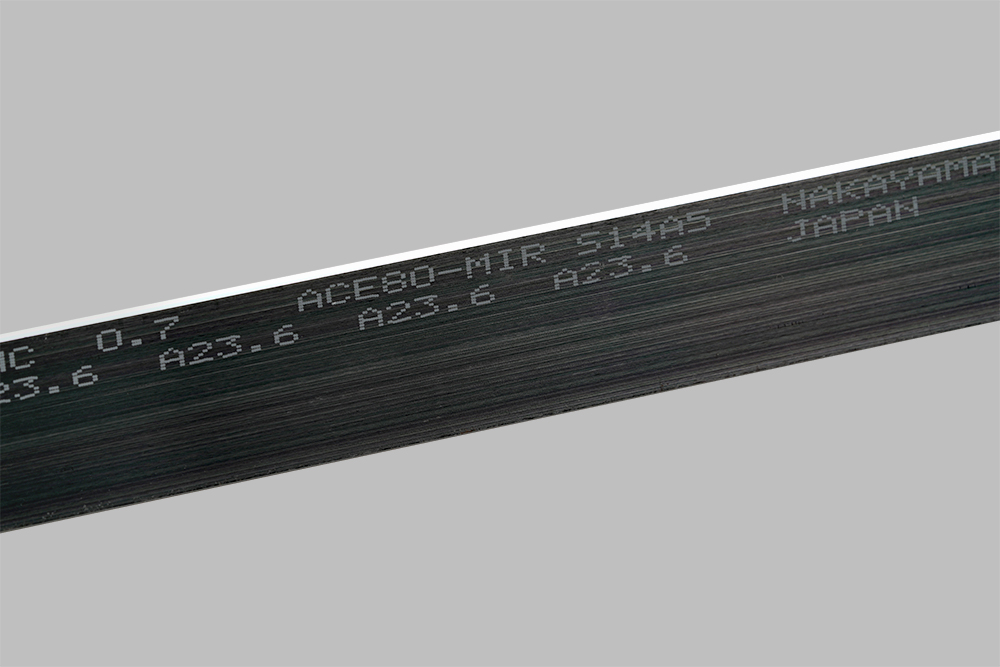
ACE80-MIR

ACE80-MIR is a mirror-finished version of the ACE80 series, known for its stability and versatility. The blade is uniformly polished up to the edge, enabling low punching pressure and stable cutting quality. It produces clean cutting surfaces and offers excellent bending performance during blade forming and die-board manufacturing, improving workability and production efficiency. It is suitable for a wide range of materials, particularly paper products.

spirit of inquiry

01

A meticulously refined
manufacturing process

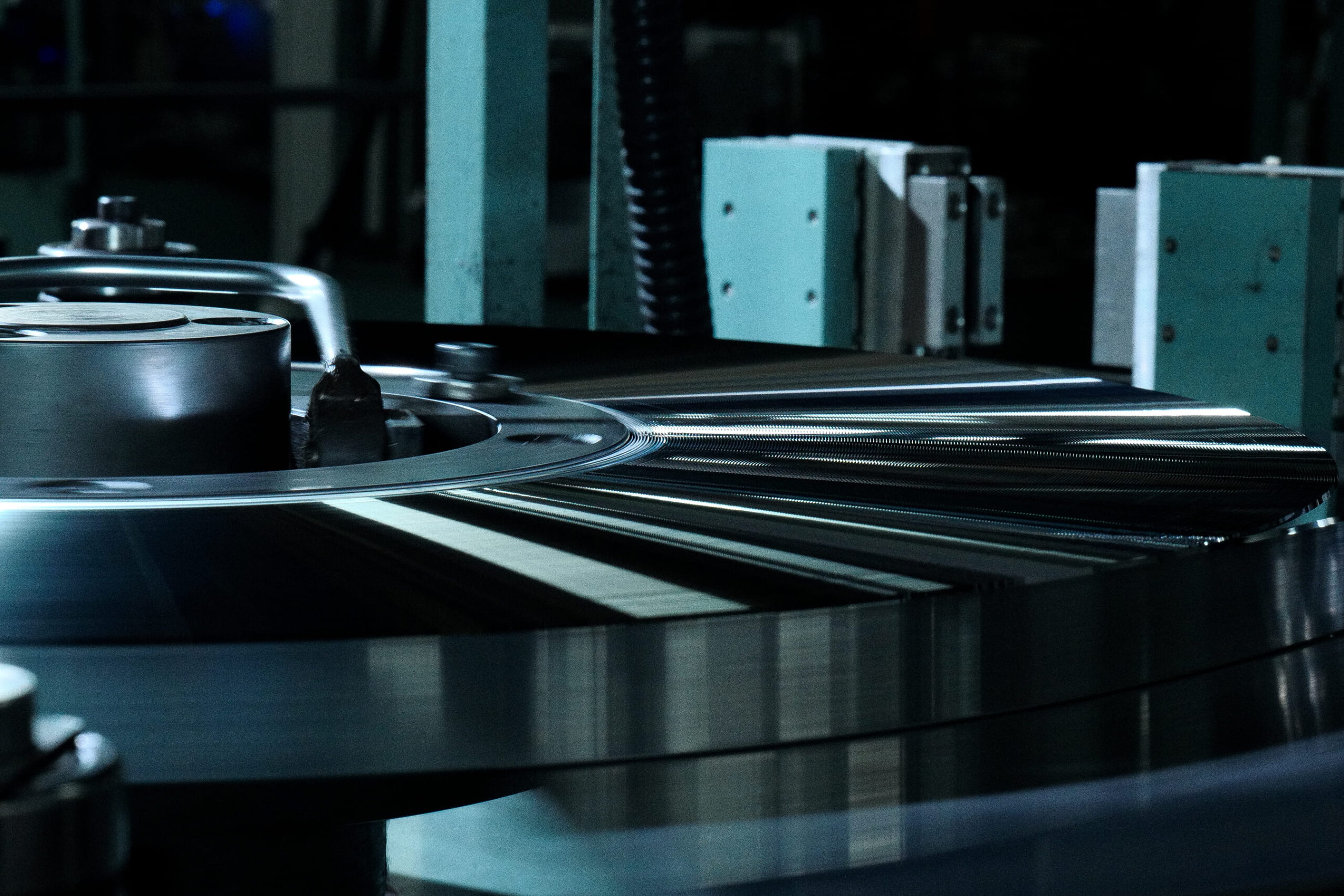
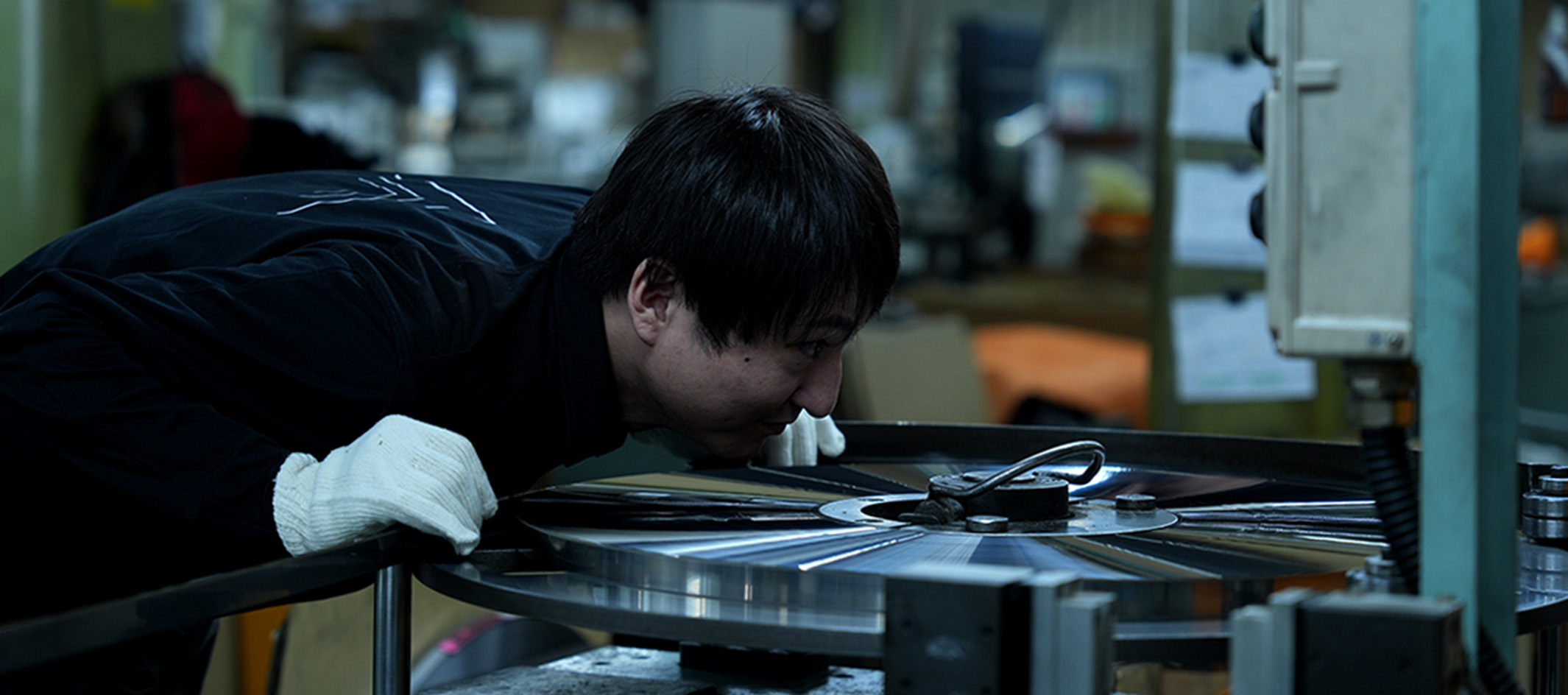
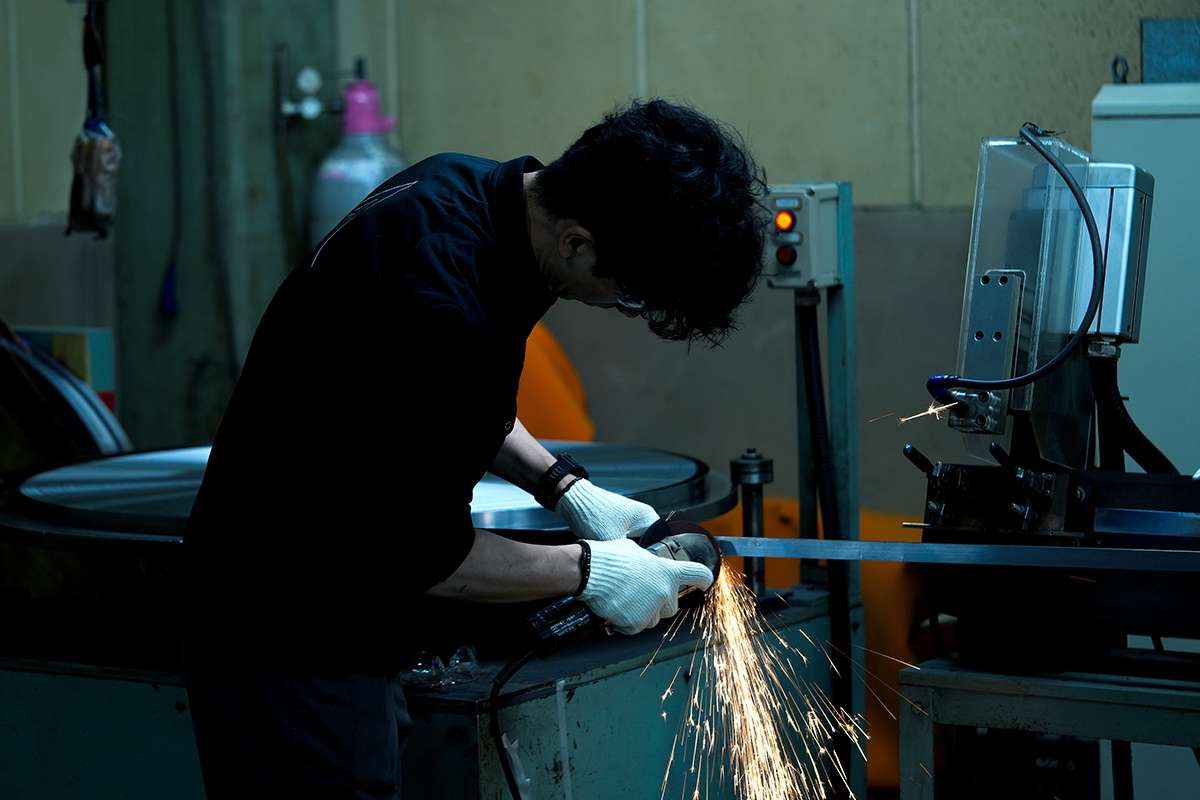
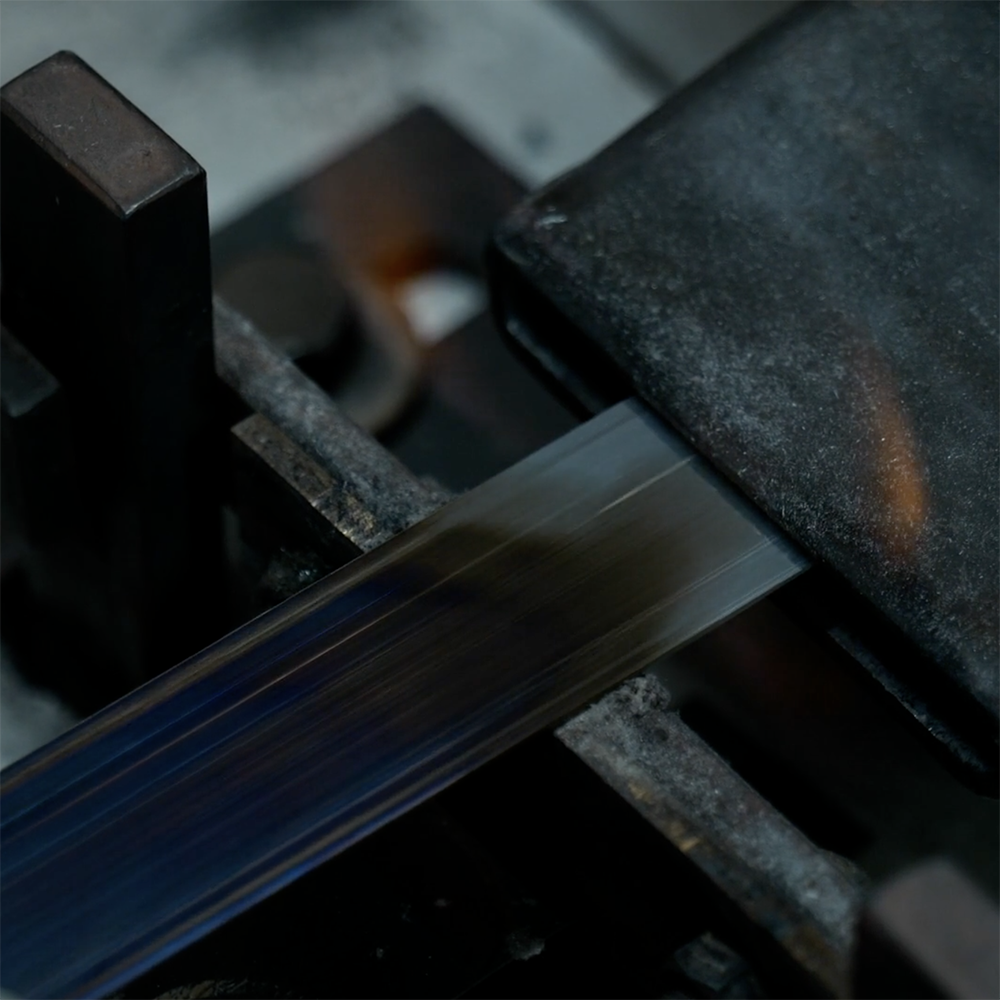
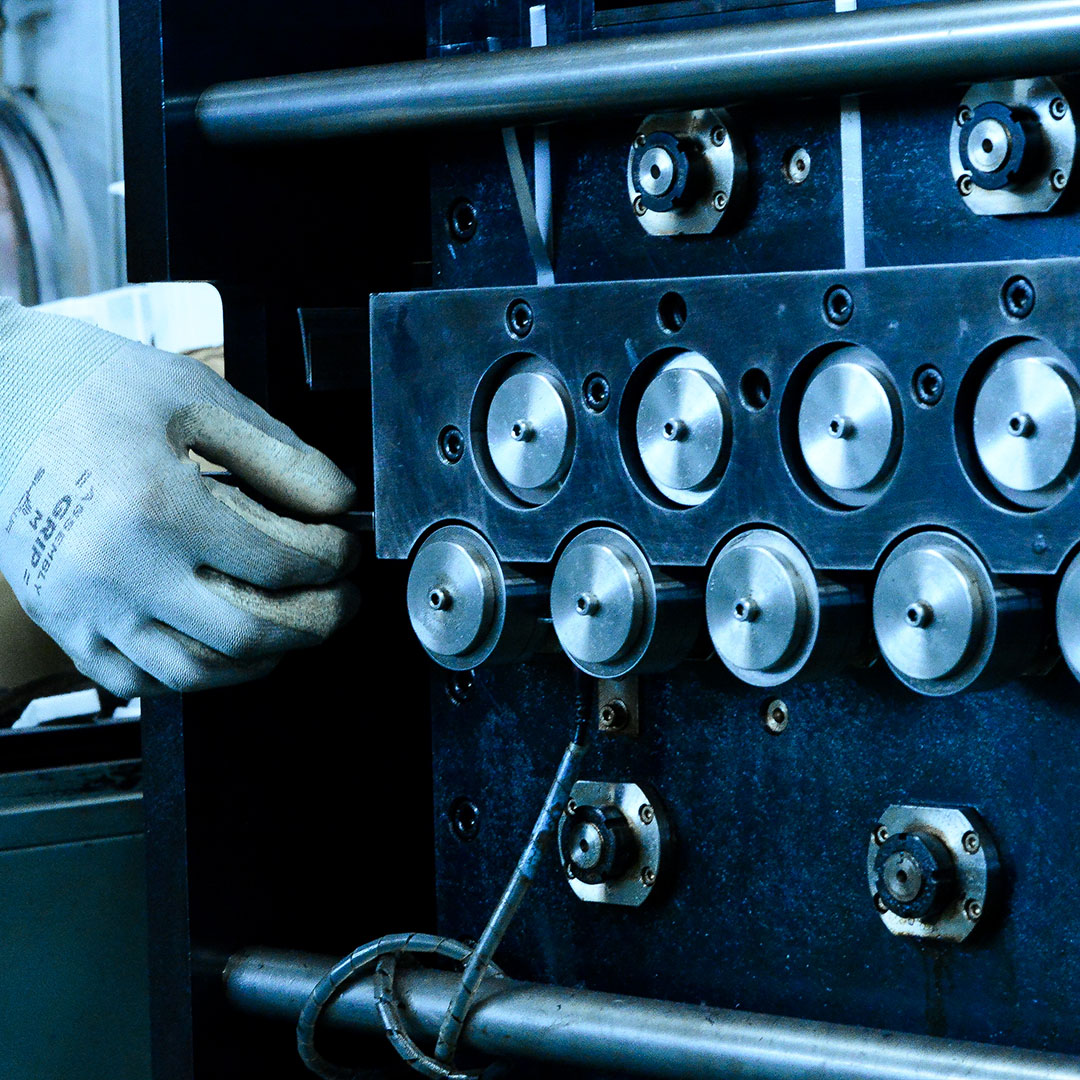
Heat treatment, cutting processes, intermediate finishing, and finally mirror finishing. From the foundation stage onward, no compromises are made in the manufacturing of MIR blades. Even after the blade itself is completed, great attention is given to the finishing processes. The cutting machines used to process the blades have also been improved through the development of non-contact automated systems.
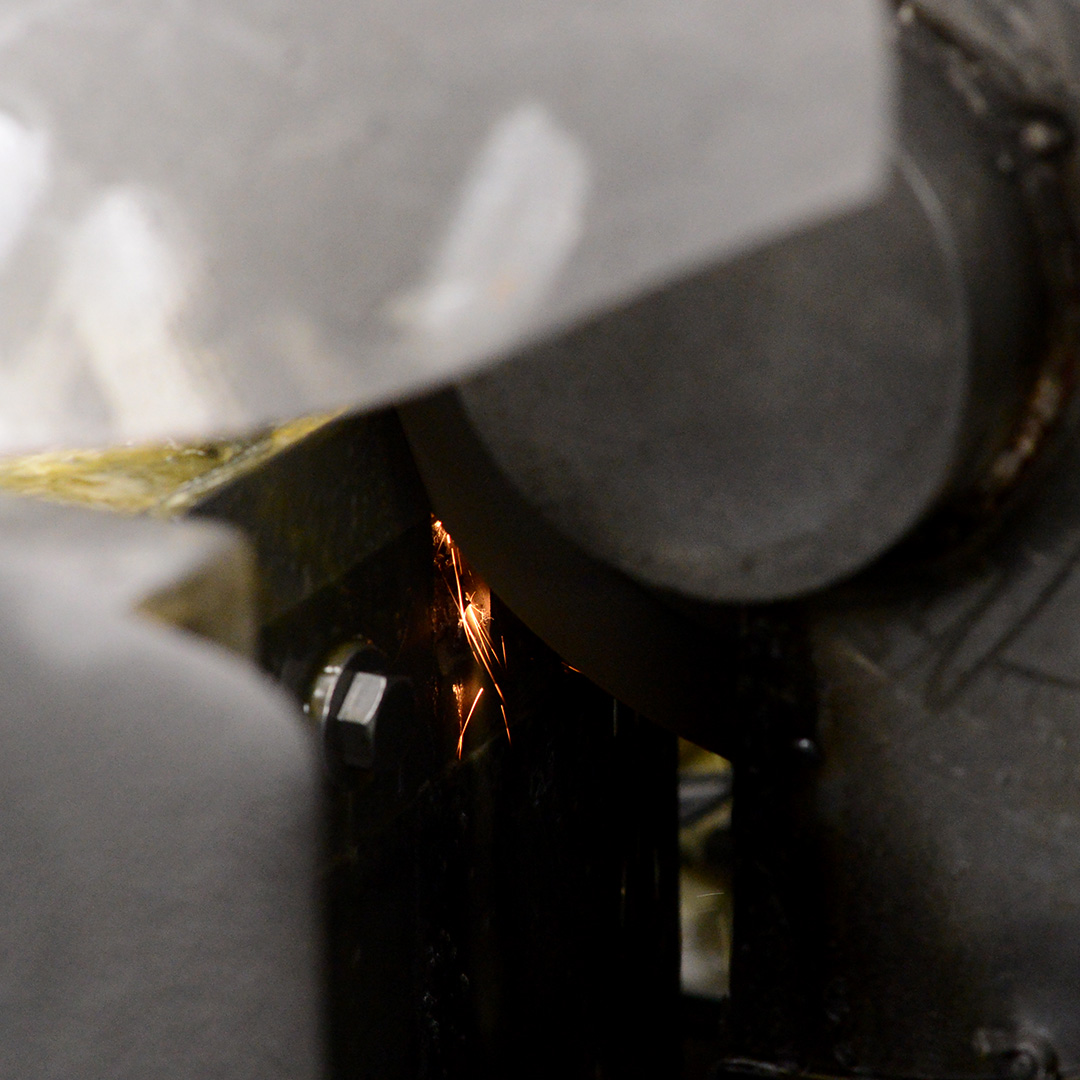
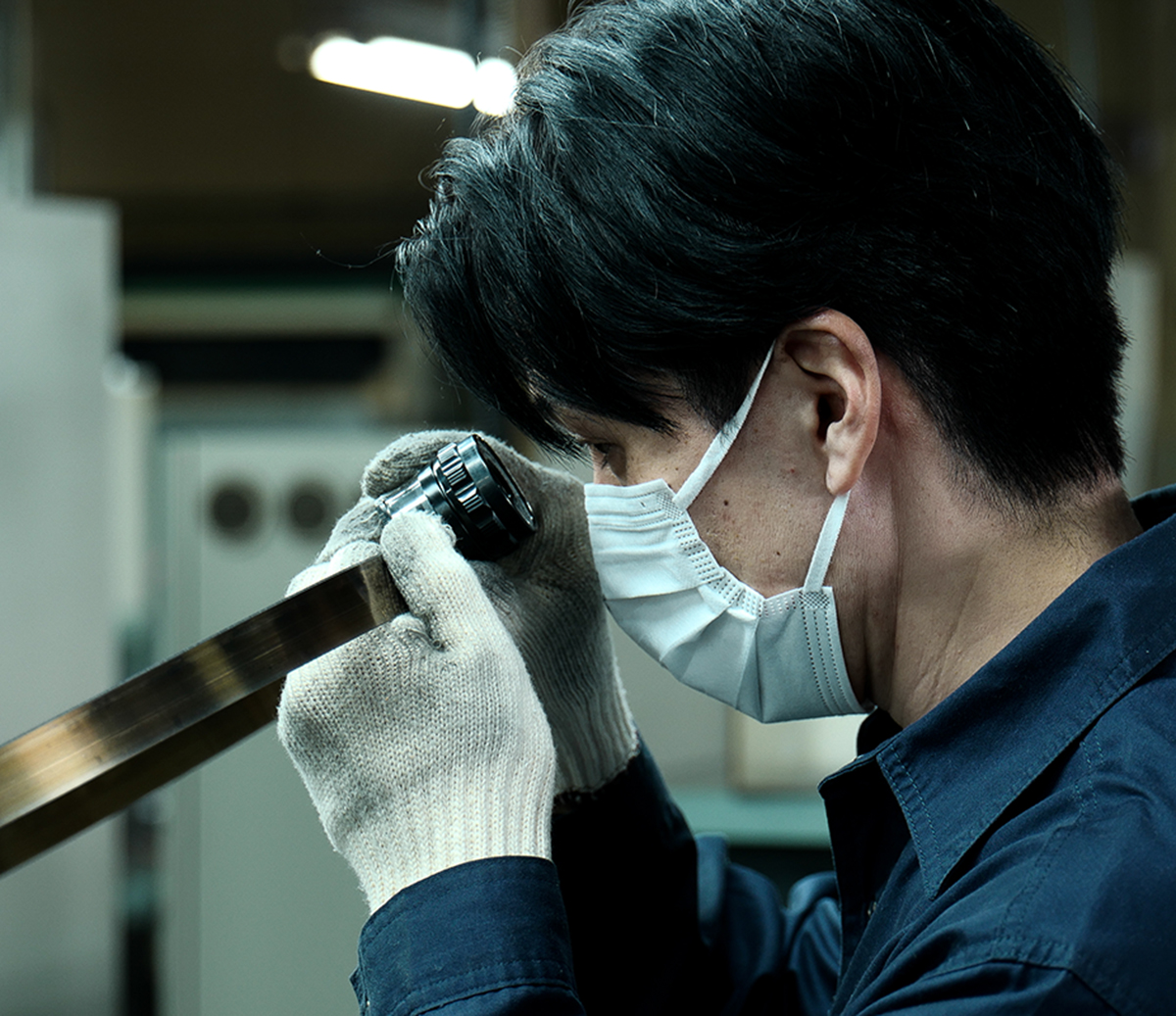
By quantifying quality evaluation and visualizing quality standards, we are able to achieve even higher precision in MIR blades. Without leaving even the smallest invisible scratch, the blade surface is refined at the nanometer level. The uncompromising craftsmanship of skilled artisans creates a truly unique mirror finish.

In-house–developed
machinery and equipment

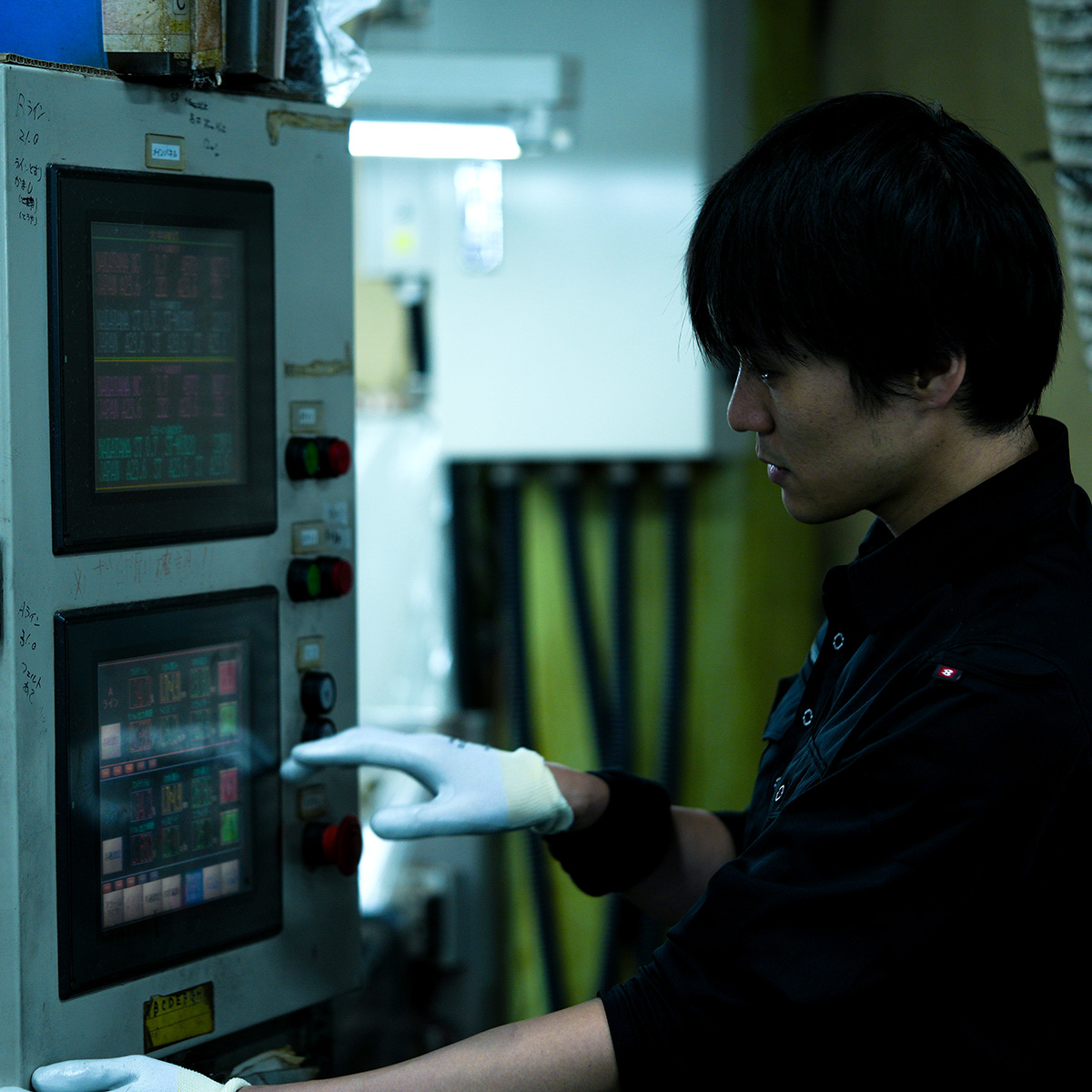
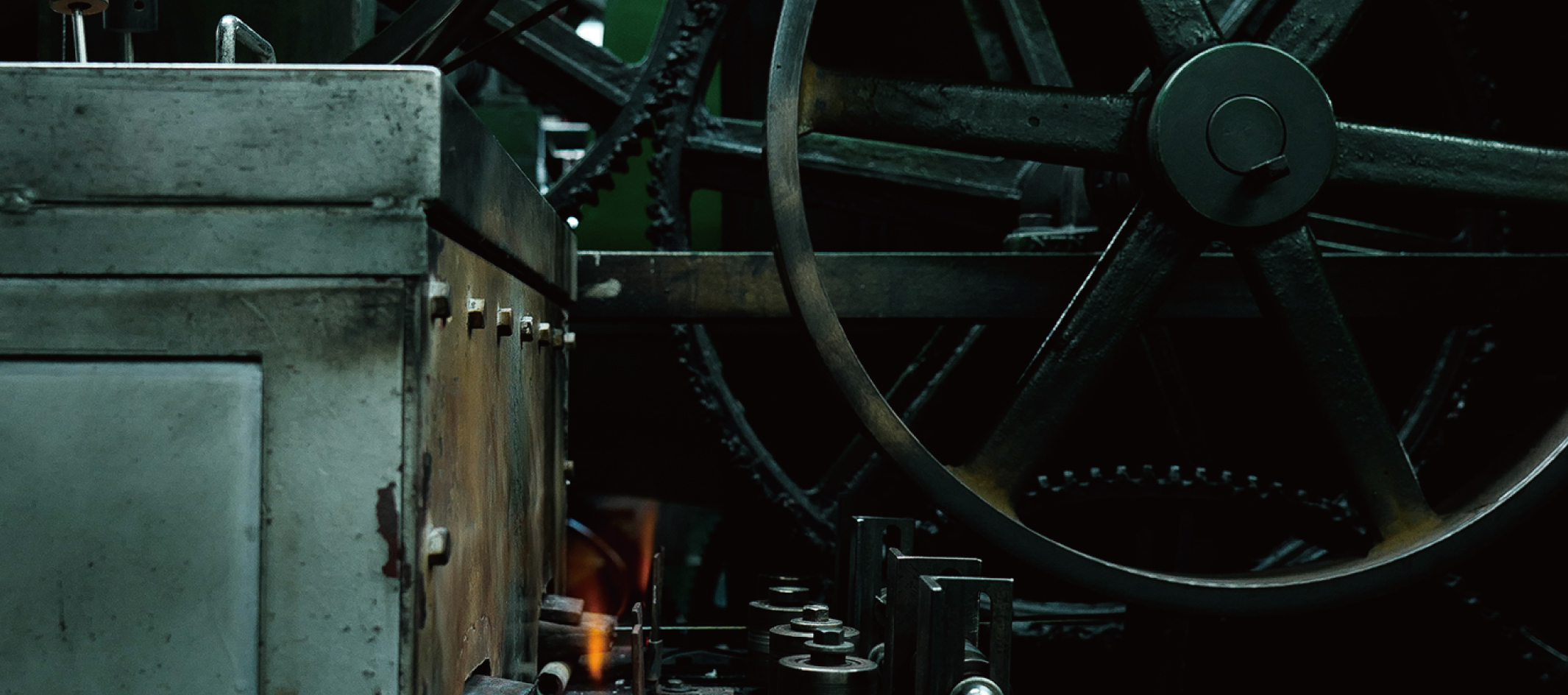
All machinery used to manufacture MIR blades is designed and built in-house. By incorporating continuous technological innovations, every step of the MIR blade manufacturing process is constantly optimized.

By combining the craftsmanship of experienced technicians with the expertise of engineers and the use of advanced inspection equipment, we are able to produce products with consistently high quality and stability. Furthermore, to ensure immediate response in the unlikely event of a problem, all machine maintenance and management are handled internally, enabling us to maintain reliable production systems without disrupting our customers.

A strong commitment
to sharpening stones

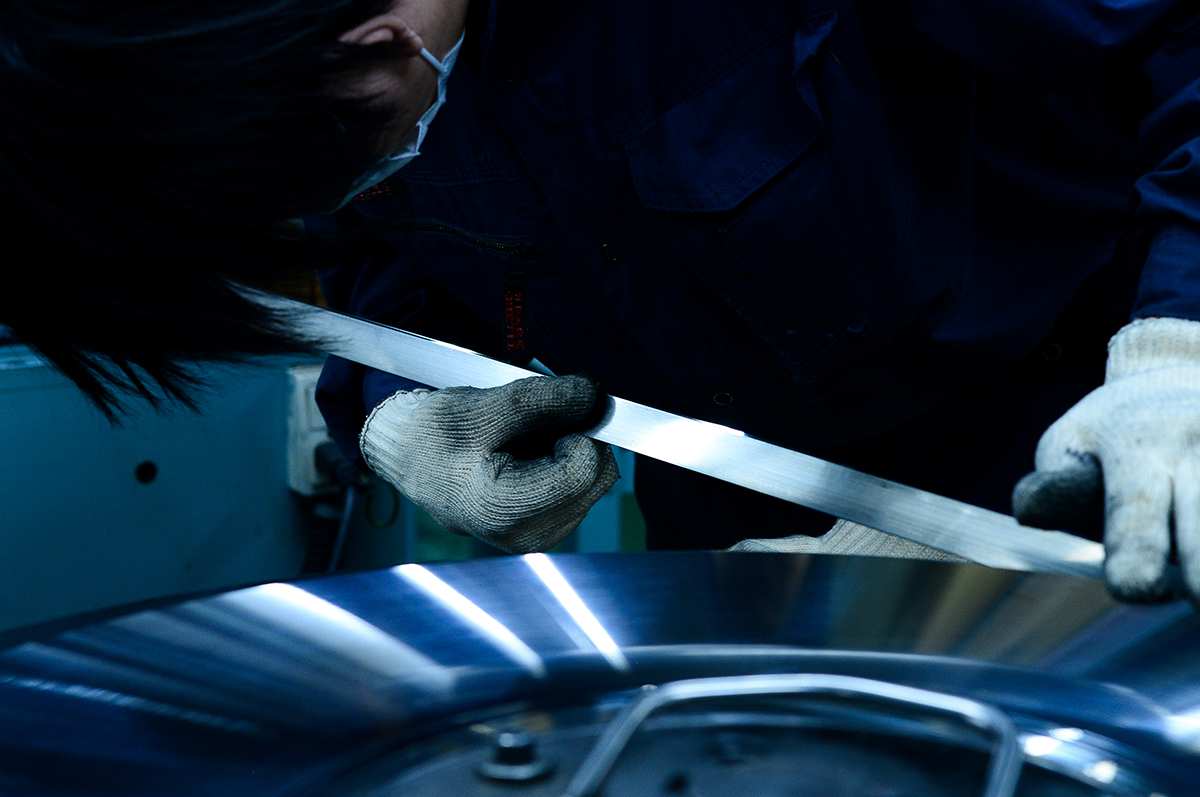
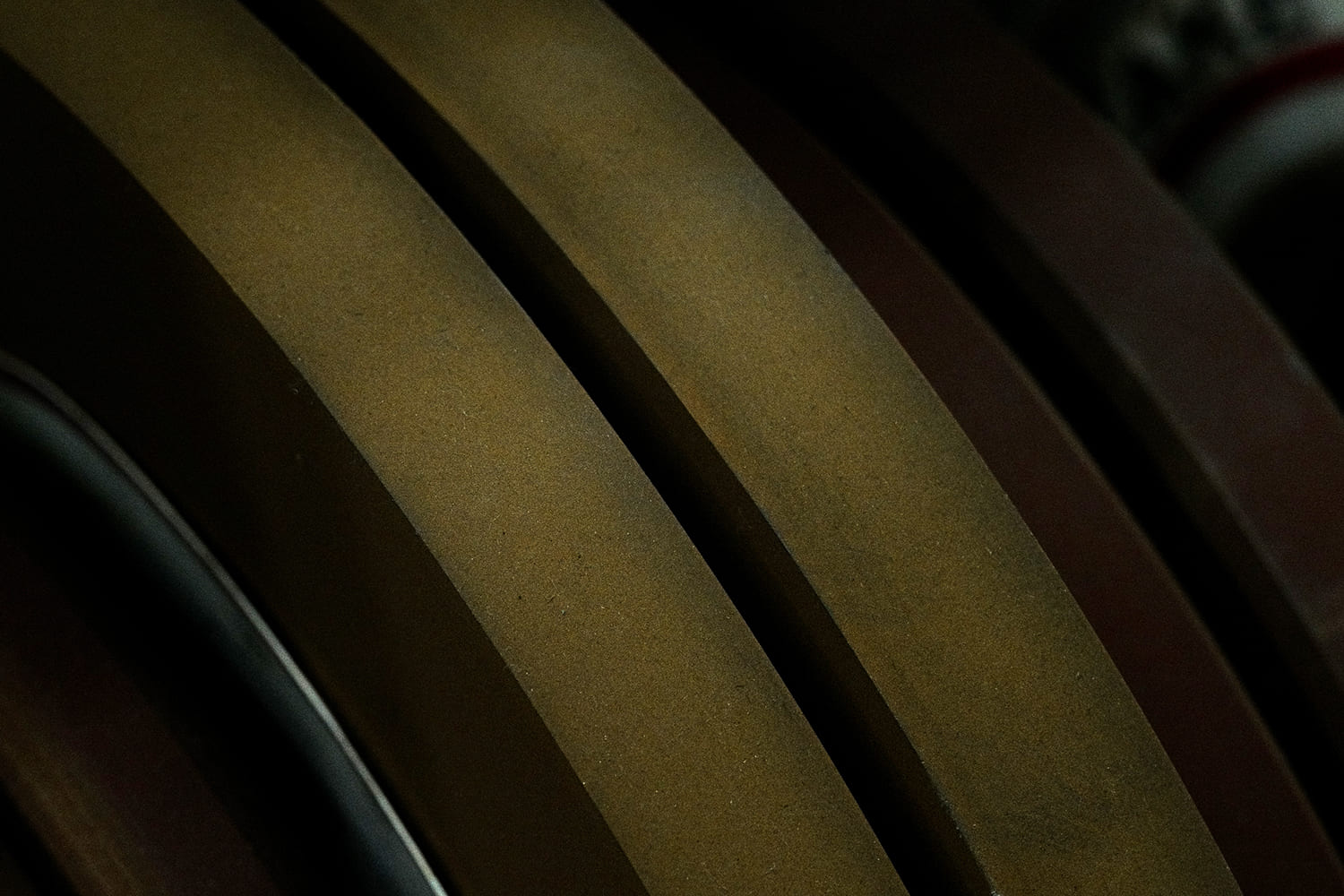
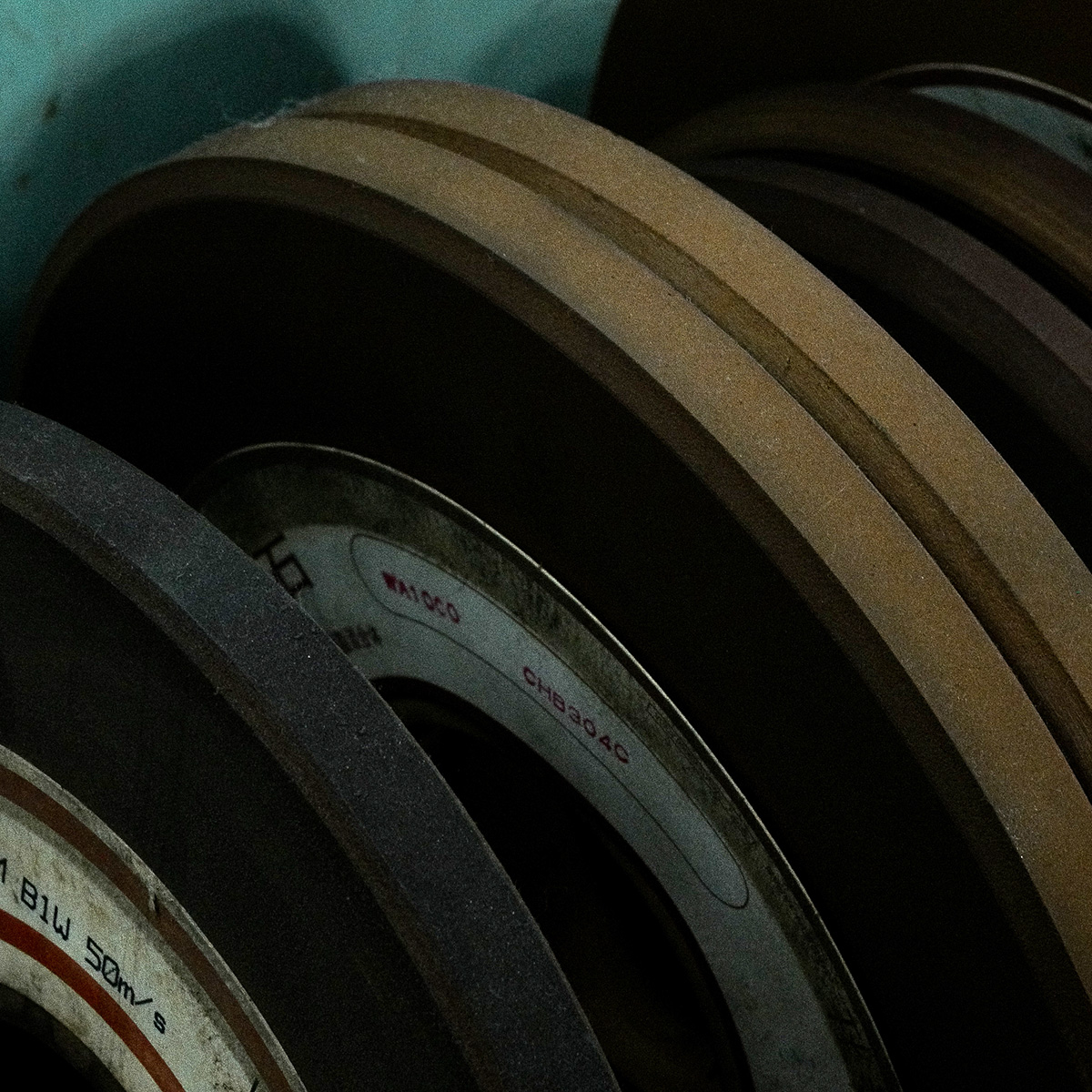
Nakayama’s philosophy is not simply to cut, but to sharpen. The mirror finish that defines MIR blades cannot be achieved through conventional cutting processes. For decades, we have studied abrasive grain size, bonding agents, and bonding strength exclusively for MIR blades. Through repeated experimentation with different grinding stone compositions, we ultimately developed a dedicated grinding stone specifically for MIR blades.

Even microscopic grooves invisible to the eye are not permitted. The steel surface is polished to the extreme limit of smoothness. Through a process similar to sharpening a traditional Japanese sword, the MIR blade is created—achieving minimal friction resistance and exceptional cutting performance.

history of MIR

02

the 1990s

The Birth of MIR

About 30 years ago, in 1992, development began in response to a request : “We need a die-cutting blade whose edge does not crack even when bent.” The development process was far from easy and required repeated trial and error. It was discovered that edge cracking originated from microscopic grinding marks. To address this, a multi-stage polishing process was introduced. From rough grinding to intermediate finishing and finally ultra-precision mirror finishing, the grinding stone grit was gradually refined to make the grooves shallower and finer over time. Through this persistent process, the MIR (Mirror) blade was born—combining mirror-like brilliance with both bending durability and sharp cutting performance.

the 2000s

Precision Redefined

From “a blade that resists cracking when bent” to unmatched sharpness and height accuracy. MIR blades achieved a smoother polished surface and an extremely sharp edge compared to conventional blades. By reducing cutting resistance and producing clean, sharp cutting edges, MIR blades came to be highly regarded for their sharpness, durability, and height precision, making them ideal for cutting high-performance films and polarizers.

During the 2000s, when LCD panels rapidly spread worldwide, MIR blades played an important role in supporting the “Made in Japan” quality of LCD panel production.

the 2010s

Expanding into Global Display Manufacturing

As LCD televisions spread globally and mass production accelerated—particularly in China—the demand for precision die-cutting of materials such as optical films and polarizers increased significantly.

Nakayama’s MIR blades gained recognition for their stable cutting quality achieved through mirror finishing and their high height accuracy. As a result, they were increasingly adopted in precision processing fields. In demanding mass-production environments where strict quality standards are required, MIR blades have built a solid reputation as reliable and high-performance cutting tools.

the 2020s

Enabling the Next Generation of Displays

With the widespread use of smartphones and smartwatches, digital devices have become an essential part of everyday life. At the same time, demand for displays used in web meetings has increased with the growth of remote work. In addition, automotive navigation systems and in-vehicle displays are becoming larger and higher in resolution.

Nakayama’s MIR blades support these modern display industries by enabling high-precision die-cutting required for advanced display materials, delivering stable cutting quality across a wide range of applications.

NAKAYAMA